
Social Media Abuse
📢 Dealing with Social Media Bullying and Its Effects 🚫

Hello Dear Subscribers,
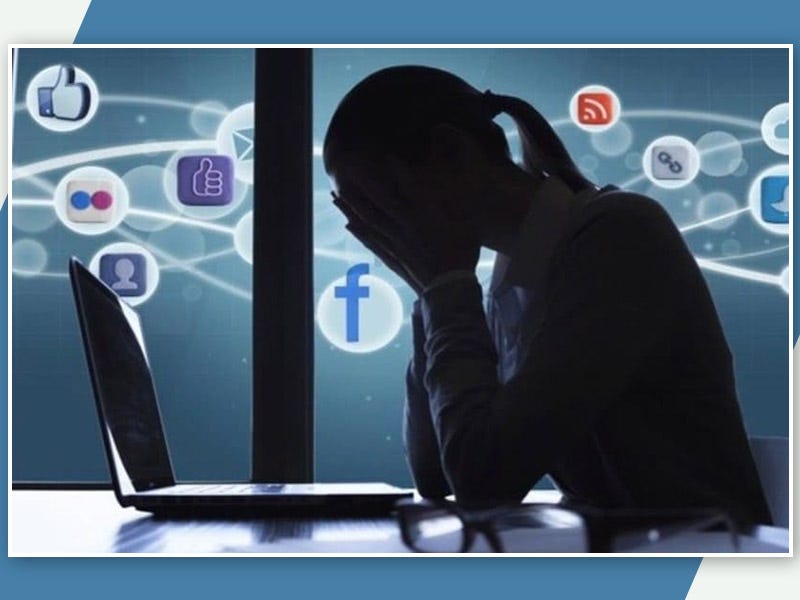
Welcome to our newsletter! Today, we want to address a significant problem that we all encounter - social media abuse and how it affects people. 📱💔
🔹 The Big Problem of Social Media Bullying 🔹
Social media platforms, originally created for connection, have regrettably transformed into places where people are unkind to each other. From cyberbullying to online teasing, this is a concerning issue.
🔹 Understanding Social Media Abuse 🔹
Social media abuse refers to harmful and inappropriate behaviors on these platforms. It includes various forms of online harassment, cyberbullying, trolling, hate speech, and actions that aim to harm individuals or communities. 📵👥
Examples of social media abuse encompass:
Cyberbullying: Sending hurtful or threatening messages, comments, or posts repeatedly to someone, often with the intent to cause emotional distress. 😞📬
Harassment: Continuously targeting a person with unwanted attention, messages, or comments, causing discomfort or fear. 📢👁️🗨️
Doxing: Sharing someone's private information online, like their address or phone number, without consent, which can lead to real-world harm. 📤🔍
Hate Speech: Posting or promoting discriminatory, racist, sexist, or otherwise offensive content that targets a specific race, gender, religion, or community. 🤬🚫
Impersonation: Pretending to be someone else, often with malicious intent, to deceive or harm others. 🕵️♂️🎭
Online Shaming: Publicly humiliating or ridiculing individuals on social media, often in response to a perceived wrongdoing. 😳📣
Social media abuse can severely impact individuals, leading to emotional distress, mental health issues, and even physical harm in some cases. It also contributes to a toxic online environment, hindering healthy discussions and interactions. 🌐🤯
Efforts to combat social media abuse include reporting abusive content, blocking harassers, raising awareness about online safety, and advocating for platforms to enforce stricter policies against abuse and harassment. 🚀🙅♂️🛡️
🔸 How It Makes People Feel 🔸
👤 When someone is targeted online, it can make them feel really bad. They may become more worried or sad, or even very, very upset. sometimes they commit suicide 😢
😡 Additionally, those who engage in bullying can face legal consequences, lose friends, and feel remorseful about their actions.
🔹 Why Being Kind Matters 🔹
🤝 It's crucial to remember that there's a real person behind every computer screen. Being nice and kind can help stop online bullying. #BeKind 💕
🔸 Getting Help and Support 🔸
🙋♀️ If you or someone you know is being bullied online, it's perfectly okay to seek help. Reach out to friends, family, or individuals who can assist in making things better.
🔹 What You Can Do 🔹
👍 We can all contribute to making the internet a nicer place. Here are some ideas:
Report mean content you come across.
Avoid engaging with bullies.
Promote positivity.
Foster respectful and open discussions.
🔸 Subscribe and Stay Informed 🔸
If you found this newsletter interesting and wish to learn more about online bullying, click the "Subscribe" button below! 📥
🔸 Tell Us Your Thoughts 🔸
We want to hear what you think! Please share your ideas or tell us what you'd like to learn about in our next newsletters. 👇
Thanks for being part of our community. Remember, a little bit of kindness online can make a big difference. Let's make social media a friendlier place for everyone. 💪
Stay tuned for our next newsletters! 📆
Warmly,
[Renuka Verma]
[EmpowerUtrainig] 🌐
#BeKindOnline #OnlineHarassment #DigitalEthics #OnlineCommunity #RespectOnSocialMedia #OnlineEmpathy #NoHateOnline #InternetSafety #CyberSecurity #OnlineRespect #DigitalWellbeing #OnlinePositivity #HealthyOnlineHabits #ThinkBeforeYouPost